Sale-Leaseback vs. Equipment Refinance: Which Is Right for Your Business?
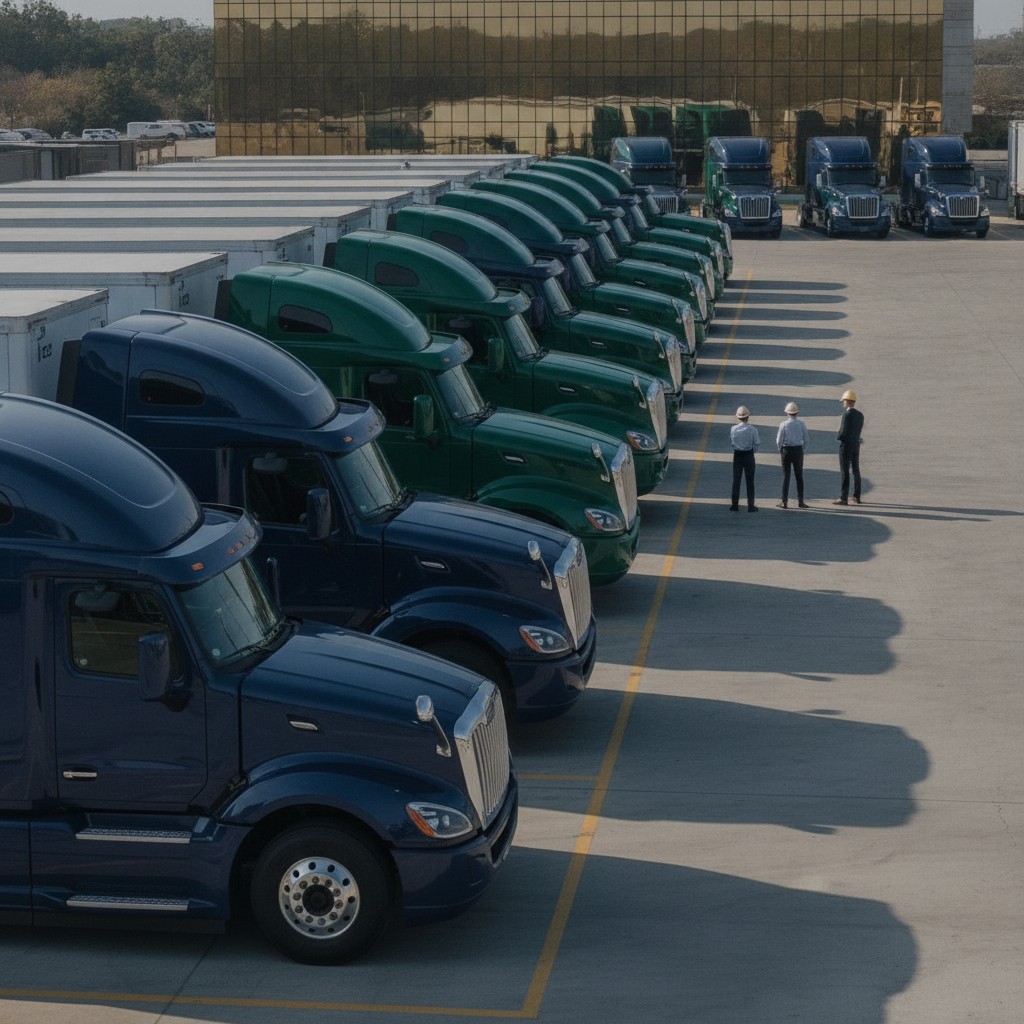
When business owners start looking into unlocking cash from equipment they already own, two options come up again and again: sale-leaseback financing and equipment refinancing. Both let you access capital without giving up the use of your equipment — but the mechanics, the accounting treatment, and the situations where each makes the most sense are genuinely different. Here's how to think through which one fits your business.
The Core Difference
In an equipment refinance, you keep legal ownership of the equipment. A lender extends a new loan secured by the equipment's value, and you make payments against that loan — much like refinancing a car or a house. You're still the owner on paper; the lender just has a security interest in the asset until the loan is paid off.
In a sale-leaseback, ownership actually transfers. You sell the equipment to a financing company for a lump sum, and then you lease it back under a fixed monthly payment for an agreed term. Operationally, nothing changes — the equipment stays on your job site and you keep running it — but from a legal and accounting standpoint, you no longer own it during the lease term.
Cash Access: Which Gets You More?
Sale-leasebacks often unlock a larger percentage of an asset's value than a refinance, because the financing company is purchasing the equipment outright rather than lending against it with a cushion built in for risk. If your primary goal is maximizing the cash you can pull from a piece of equipment in a single transaction, a sale-leaseback is frequently the stronger option, particularly for equipment with strong resale value like trucks, trailers, and common construction equipment.
Refinancing, on the other hand, is often the better fit when you have an existing loan you want to restructure — lower the payment, extend the term, or pull out some equity while keeping the loan-to-value ratio conservative. If you're not trying to maximize cash out but instead want to improve your monthly cash flow position, refinancing tends to be the simpler, more direct path.
Accounting and Tax Considerations
Because a sale-leaseback involves an actual sale, it can carry different tax and accounting implications than a refinance — potentially including how depreciation is treated and how the lease payments are expensed. These effects vary based on your business structure and how the lease is classified, so it's worth discussing with your accountant before choosing between the two, especially for larger transactions.
What Happens at the End of the Term?
With a refinance, once the loan is paid off, you own the equipment free and clear — nothing changes because you never stopped being the owner. With a sale-leaseback, what happens at the end of the lease depends on how the agreement is structured; some leases include an option to repurchase the equipment for a nominal amount, while others simply end the lease and return the equipment (less common for equipment still in active use) or roll into a new lease.
Which Should You Choose?
As a general rule: if you want to maximize the amount of cash you can access from a piece of equipment and you're comfortable with a lease structure, a sale-leaseback is often the stronger option. If you want to keep things simple, retain ownership throughout, and are primarily focused on restructuring debt or freeing up modest working capital, refinancing is usually the more straightforward path.
The honest answer is that it depends on your equipment, your goals, and the specific terms different financing partners are willing to offer. EquipmentRefi can walk through both structures with actual numbers for your equipment so you can compare them side by side before deciding.
Ready to see your financing options?
No obligation. No hard credit pull to get started. Answers in minutes.