How Equipment Refinancing Works: A Guide for Contractors
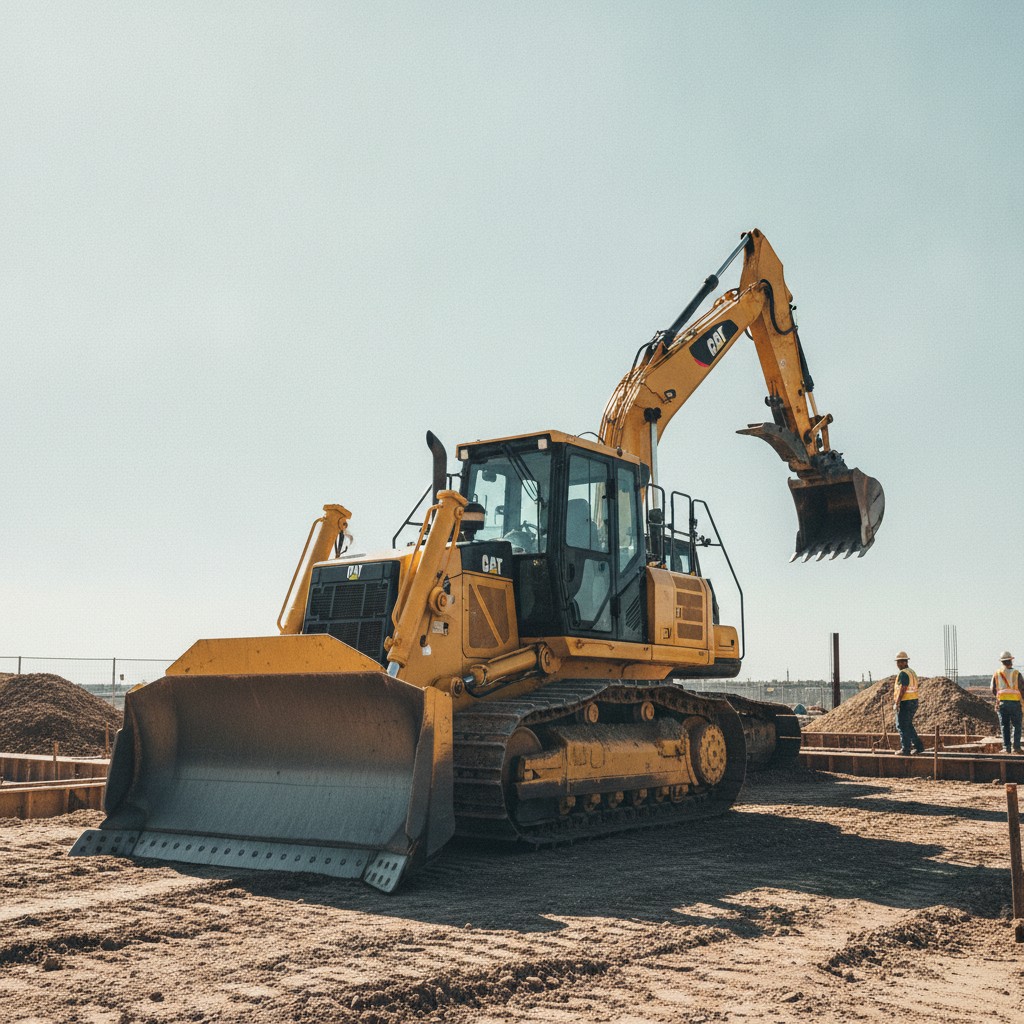
If you've been in business for a few years, there's a good chance you own equipment that's either paid off or close to it — an excavator, a fleet of trucks, a fabrication machine, whatever runs your operation day to day. What a lot of contractors don't realize is that this equipment isn't just a tool for doing work — it's also collateral sitting on your balance sheet, ready to be put back to work as capital. That's what equipment refinancing does.
What Equipment Refinancing Actually Is
Equipment refinancing is the process of taking out a new loan secured by equipment you already own, using the value of that equipment to access cash or restructure existing debt. It's conceptually similar to refinancing a mortgage: instead of your home, the collateral is your excavator, your delivery trucks, your CNC machine, or your commercial oven. A lender appraises the equipment, determines how much it's currently worth, and extends financing based on that value — usually a meaningful percentage of the appraised amount, though not the full value.
There are two common reasons contractors refinance equipment. The first is to free up cash — you need working capital for payroll, materials, a new hire, or an unexpected expense, and rather than take out an unsecured loan at a higher rate, you leverage equipment you already own. The second is to restructure existing debt — maybe you financed a piece of equipment two years ago at a rate that no longer makes sense, or you have several equipment loans with different payment dates and want to consolidate them into one predictable monthly payment.
How the Process Works, Step by Step
The process typically starts with a simple application describing the equipment — make, model, year, hours or mileage, condition, and whether it currently has a loan against it. From there, a financing partner will estimate the equipment's current market value, sometimes using standard industry valuation guides and sometimes requiring a physical or photo-based inspection for larger or more specialized equipment.
Once value is established, the lender will present terms: the amount they're willing to finance, the interest rate, the length of the term, and the monthly payment. If you're refinancing to pay off an existing loan, the new lender typically pays off the old loan directly and you begin payments on the new terms. If you're refinancing owned equipment for cash, funds are usually disbursed directly to your business once paperwork is signed.
Because the loan is secured by real collateral rather than relying purely on personal or business credit, equipment refinancing tends to move faster and have more flexible qualification standards than unsecured business loans. Many contractors see funding within days rather than weeks, particularly for standard equipment types with established resale markets — trucks, trailers, excavators, and other common construction or transportation equipment.
What Lenders Look At
While every financing partner weighs things a little differently, most equipment refinancing decisions come down to a handful of factors: the age and condition of the equipment, how liquid or resalable it is (common equipment types with active secondary markets tend to get better terms than highly specialized machinery), your business's time in operation, and your cash flow. Personal and business credit still matter, but because the loan is secured, lenders are often more flexible on credit than they would be for an unsecured loan of similar size.
Is Refinancing the Right Move?
Refinancing makes the most sense when you have real equity in equipment you're not planning to sell — you want to keep using it, but you also want access to the value it represents. It's worth comparing against alternatives like a sale-leaseback, which sells the equipment outright and leases it back, or a general working capital line secured by equipment, which may offer more flexibility than a fixed-term loan.
The best way to know what makes sense for your specific equipment and situation is to see actual numbers. EquipmentRefi can connect you with financing partners who specialize in equipment-secured lending and put together options based on your equipment and goals — with no obligation to move forward.
Ready to see your financing options?
No obligation. No hard credit pull to get started. Answers in minutes.